
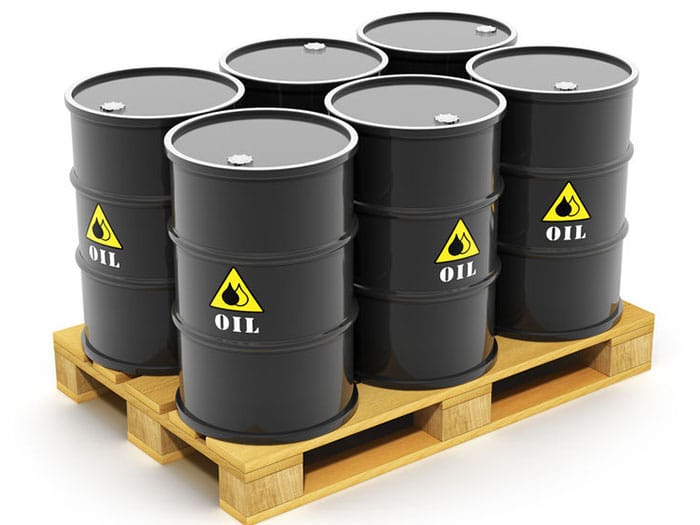
Global crude oil prices climbed sharply on Saturday, surpassing $90 per barrel and reaching their highest level in two years as tensions in the Middle East escalate and fears of supply disruptions grow.
Market data showed that Brent crude rose to about $93 per barrel, while West Texas Intermediate (WTI) traded around $91 per barrel as of Saturday morning.
The increase represents roughly a nine per cent jump in Brent crude prices, marking the highest level recorded since the autumn of 2023, according to a report by the BBC.
Energy experts say the surge is being driven by concerns that ongoing hostilities in the Gulf region could disrupt oil and gas production in the Middle East, which supplies a large share of the world’s energy.
The warning was also echoed by Saad al-Kaabi, Qatar’s energy minister, who cautioned that the escalating conflict could force major exporters in the region to suspend production.
Speaking in remarks reported by the Financial Times, al-Kaabi warned that the situation could have serious consequences for the global economy.
According to him, the crisis could “bring down the economies of the world” if energy exports from the Middle East are significantly disrupted.
He further cautioned that oil prices could rise dramatically if the situation worsens, with industry forecasts suggesting crude could surge to as high as $150 per barrel if production in major oil-producing nations across the region is halted.
The sharp price spike follows a significant escalation of tensions in the Gulf. On February 28, 2026, the conflict intensified after coordinated strikes reportedly carried out by the United States and Israel targeted Iran.
The attacks reportedly killed several Iranian leaders, including the country’s Supreme Leader, Ali Khamenei.
Iran subsequently launched retaliatory strikes across parts of the Middle East, deepening the crisis and raising fears of a broader regional war.
The violence has caused major destruction in several areas and heightened global anxiety about stability in one of the world’s most critical oil-producing regions.
Further unsettling global markets, Iran reportedly claimed control of the strategic Strait of Hormuz, a narrow but vital waterway through which a large share of the world’s oil supply passes.
Following the development, some energy facilities across the region announced temporary shutdowns, including the Ras Tanura refinery in Saudi Arabia — one of the Middle East’s largest refining complexes — as well as certain operations linked to QatarEnergy.
Earlier, the escalating conflict also pushed up petrol loading prices at the Dangote Refinery in Nigeria.
The adjustment subsequently led to a nationwide increase in fuel prices, adding further strain to the cost of living for many Nigerians.