
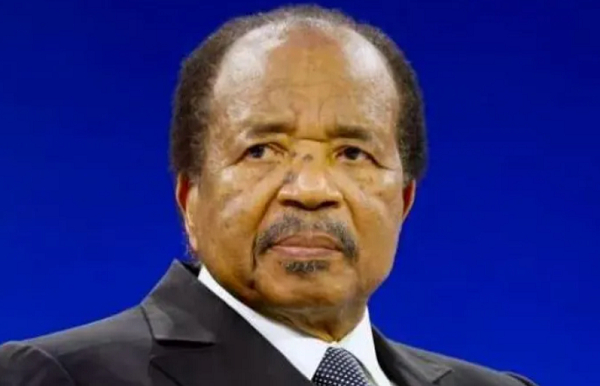
Cameroon’s long-serving president, Paul Biya, is set to have a vice president for the first time in his over four-decade rule, following controversial constitutional amendments approved by parliament.
Lawmakers, in a joint session of the National Assembly and Senate dominated by the ruling party, passed the bill with 200 votes in favour, 18 against, and four abstentions.
The new law states that the vice president will automatically take over if the president dies, resigns, or becomes incapacitated. The vice president will be appointed and can be dismissed by the president, serving out the remainder of the seven-year term.
However, the interim leader will not be allowed to amend the constitution or contest the next election.
Before this change, the Senate president was designated to act temporarily in such situations, pending fresh elections.
The opposition Social Democratic Front (SDF), which holds six parliamentary seats, boycotted the vote. The party had advocated for a system where the vice president is elected alongside the president and reflects the country’s English- and French-speaking divide.
SDF chairman Joshua Osih criticized the reform, describing it as a missed opportunity for meaningful political progress