
As Nigeria entered 2026, many citizens expressed a blend of hope, anxiety, and uncertainty, shaped largely by persistent insecurity and economic reforms that intensified hardship in the previous year.
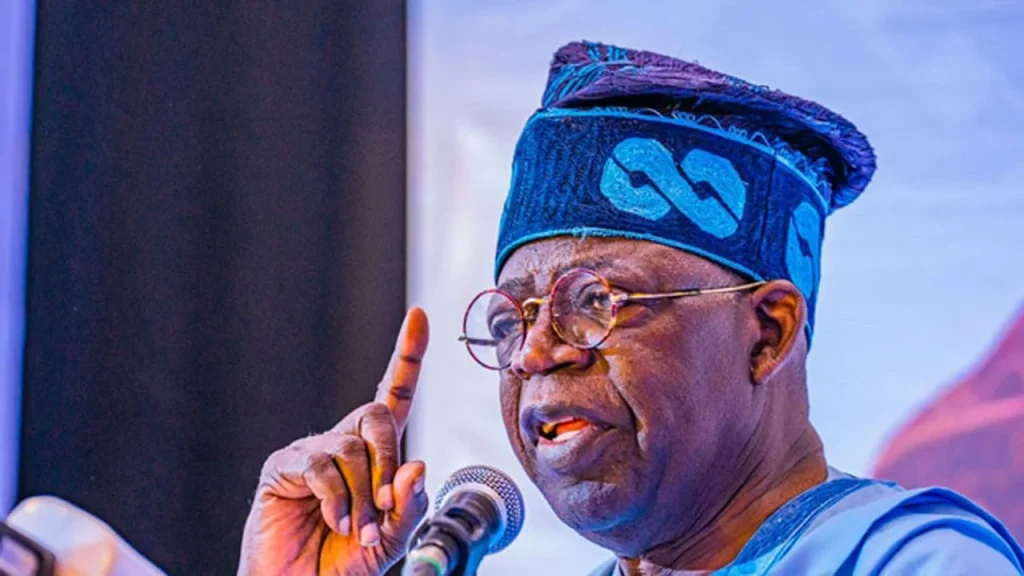
In his New Year address on January 1, 2026, President Bola Tinubu maintained that the economic reforms launched in 2023 were beginning to yield results, projecting notable growth that could absorb at least 10 million Nigerians into the productive sector.
In interviews with DAILY POST, Nigerians from various backgrounds shared their expectations and highlighted areas where they believe the Tinubu administration must adopt new strategies to improve living conditions beyond what was experienced in 2025.
Legal practitioner Sylvester Agih said the rollout of the new tax laws—along with controversies over alleged alterations to gazetted documents—would dominate national discussions in 2026. He urged the president to ensure transparency and accountability in tax administration, stressing that Nigerians deserve clarity on how public funds are generated and utilized.
Hassan Alowonle, a Kwara-based entrepreneur and lecturer, called for decisive action against insecurity, urging the government to dismantle all bandit and terrorist networks regardless of their affiliations. He described the security situation in Kwara State in 2025 as unprecedented, noting that residents now live in constant fear.
Similarly, journalist Benedict Onoja, who is based along the Kaduna–Abuja axis, appealed for subsidized fertilizers for smallholder farmers and improved electricity supply to sustain small businesses. He also stressed the need for stronger political will in combating terrorism, which continues to undermine food production nationwide.
Taking a different stance, Mcfrederick Akor Edache, convener of the Frederick Emergency Response Support Initiative (FREER), said he held no expectations from the government, explaining that he relied solely on personal effort to achieve his goals in 2026, although he acknowledged that supportive systems could ease success.
Another respondent, Divine Mike, urged President Tinubu to prioritize policies that would reduce hardship, particularly by tackling unemployment. He criticized what he described as the politicization of job opportunities and called for merit-based recruitment processes similar to recent teacher employment exercises in Benue State. He also advocated a more forceful approach to tackling banditry and terrorism, cautioning against excessive reliance on foreign intervention.
Meanwhile, Patience Samuel appealed for stricter regulation of food and fuel prices, alleging that some petrol stations disregard official price reductions. She also called on the federal government to enforce local government autonomy, accusing state governors of diverting council funds. She suggested that federal allocations be withheld from states that fail to comply with court rulings on local government autonomy.