
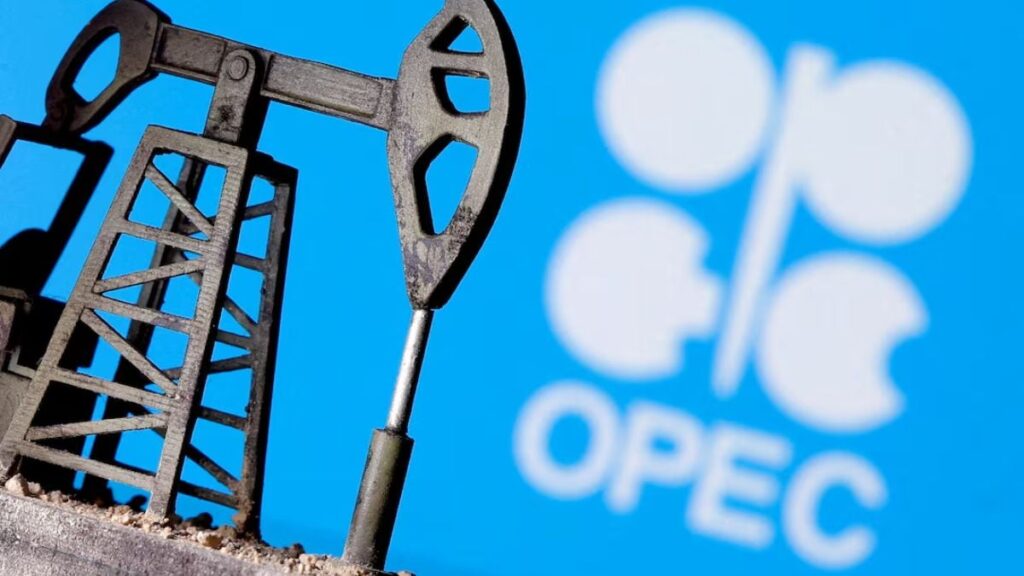
Global oil prices have climbed close to $120 per barrel, even as OPEC+ approved a production increase of 206,000 barrels per day for May.
The decision was reached during a virtual meeting of eight member countries, but analysts say the planned output boost may have little real impact due to ongoing supply disruptions.
Many major producers are struggling to raise production amid geopolitical tensions, particularly the conflict involving the United States, Israel, and Iran, which has damaged infrastructure and created security risks.
The alliance’s Joint Ministerial Monitoring Committee also raised concerns about repeated attacks on oil facilities, noting that repairs are costly and slow, further limiting supply.
A major factor driving the surge in prices is the disruption in the Strait of Hormuz, a key global oil transit route. The waterway has remained largely shut since late February, significantly reducing exports from leading producers such as Saudi Arabia, the United Arab Emirates, Kuwait, and Iraq.
Although there are indications that limited shipments may be resuming, uncertainty remains over whether more vessels will risk passing through the route.
As supply tightens, oil prices have hit a four-year high, pushing up fuel costs worldwide and placing additional pressure on economies. Governments are already considering measures to manage limited supplies.
Analysts warn that prices could rise even further if the الأزمة persists. JPMorgan Chase has projected that crude oil could exceed $150 per barrel if disruptions in the Strait of Hormuz continue into mid-May.
Despite the quota increase, the additional supply represents less than two percent of the estimated losses caused by the Hormuz shutdown, suggesting limited immediate relief for the market.
Beyond the Middle East, other producers like Russia are also facing challenges, with sanctions and infrastructure damage from the war in Ukraine affecting output.
Overall, the global oil market is experiencing one of its most significant supply shocks in history, with up to 15 percent of supply temporarily cut off.
The modest increase for May mirrors a similar adjustment made for April, and with the next OPEC+ meeting scheduled for May 3, attention is focused on how the group will respond to the evolving crisis.