
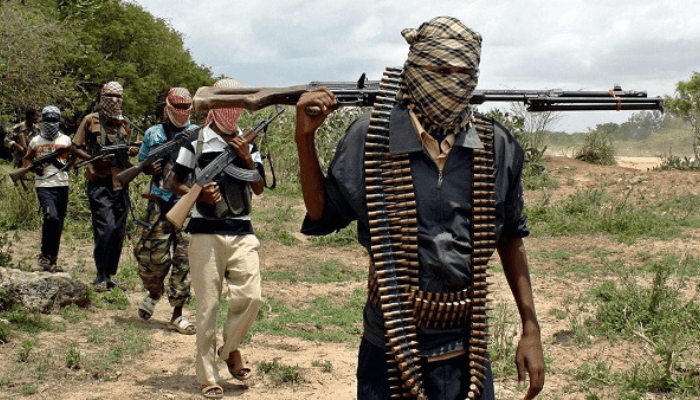
Concerns over insecurity in Nigeria have continued to grow as cases of kidnapping, bandit attacks, and violent crimes spread across different parts of the country, leaving many citizens frustrated and fearful.
In recent months, several communities in the northern and central regions have reportedly suffered repeated attacks from armed groups, forcing residents to flee their homes while businesses and schools remain under threat. The worsening situation has also triggered fresh criticism of the government’s handling of national security.
Many Nigerians have taken to social media and public forums to express disappointment over what they describe as the government’s inability to effectively tackle the insecurity crisis. Citizens say they are increasingly losing confidence in authorities as kidnappings for ransom become more frequent on highways, in villages, and even within urban areas.
Security analysts warn that the growing boldness of criminal groups could further weaken public trust if urgent steps are not taken. According to reports, some communities have allegedly resorted to local vigilante groups for protection due to delays in security response.
A resident of Kaduna State, who spoke anonymously, lamented the constant fear faced by ordinary citizens.
“We no longer sleep with both eyes closed. People are afraid to travel because kidnappers can strike at any moment,” the resident said.
Opposition politicians and civil society organisations have also criticized the federal government, accusing authorities of failing to deliver on promises to improve security across the country. Some groups have called for the restructuring of security agencies and stronger intelligence gathering to combat criminal networks.
Meanwhile, government officials insist that efforts are ongoing to address the situation. Security agencies have repeatedly announced military operations targeting bandits and kidnappers in troubled regions, while authorities maintain that progress is being made despite existing challenges.
However, many Nigerians argue that the results are yet to be fully felt by citizens who continue to live under fear and uncertainty.
As insecurity remains one of the nation’s biggest challenges, pressure continues to mount on the government to restore public confidence and ensure the protection of lives and property across the country.