
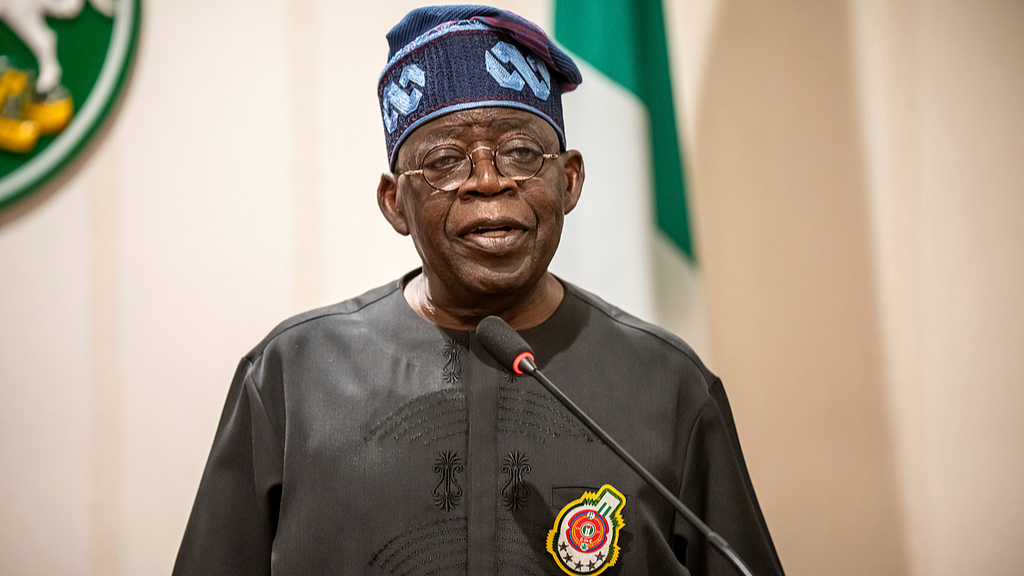
President Bola Tinubu has stated that outdated tax laws inherited from the colonial era played a major role in deepening economic hardship and poverty among Nigerians.
This was disclosed in a statement issued by his Special Adviser on Information and Strategy, Bayo Onanuga, during the commissioning of the 16-storey headquarters of the Nigeria Revenue Service (NRS) in Abuja.
According to the statement, Tinubu explained that his administration’s newly introduced tax reforms are aimed at building a more inclusive, investment-friendly, and people-focused system capable of driving sustainable economic growth. He noted that the new framework, which became fully operational in January, is intended to replace outdated colonial structures and strengthen the country’s fiscal foundation.
Reflecting on his inauguration promise, Tinubu reiterated his commitment to tackling structural challenges, restoring financial stability, and creating an economy grounded in discipline, fairness, and opportunity. He emphasized that these promises were a binding commitment to Nigerians, not mere rhetoric.
The president described the reforms as a deliberate move to establish a transparent and efficient revenue system that can support national development and rebuild public trust in government institutions.
Addressing public concerns, Tinubu assured that the reforms are designed to simplify the tax system, eliminate inefficiencies, and ensure fairness while safeguarding vulnerable citizens. He added that the goal is to create a system that encourages enterprise, supports growth, and ensures that citizens receive value for their contributions.