
A Brief History of the FIFA World Cup
FIFA World Cup 2026: Latest Updates
The upcoming 2026 edition of the FIFA World Cup 2026 is set to make history in several ways:
Host Nations
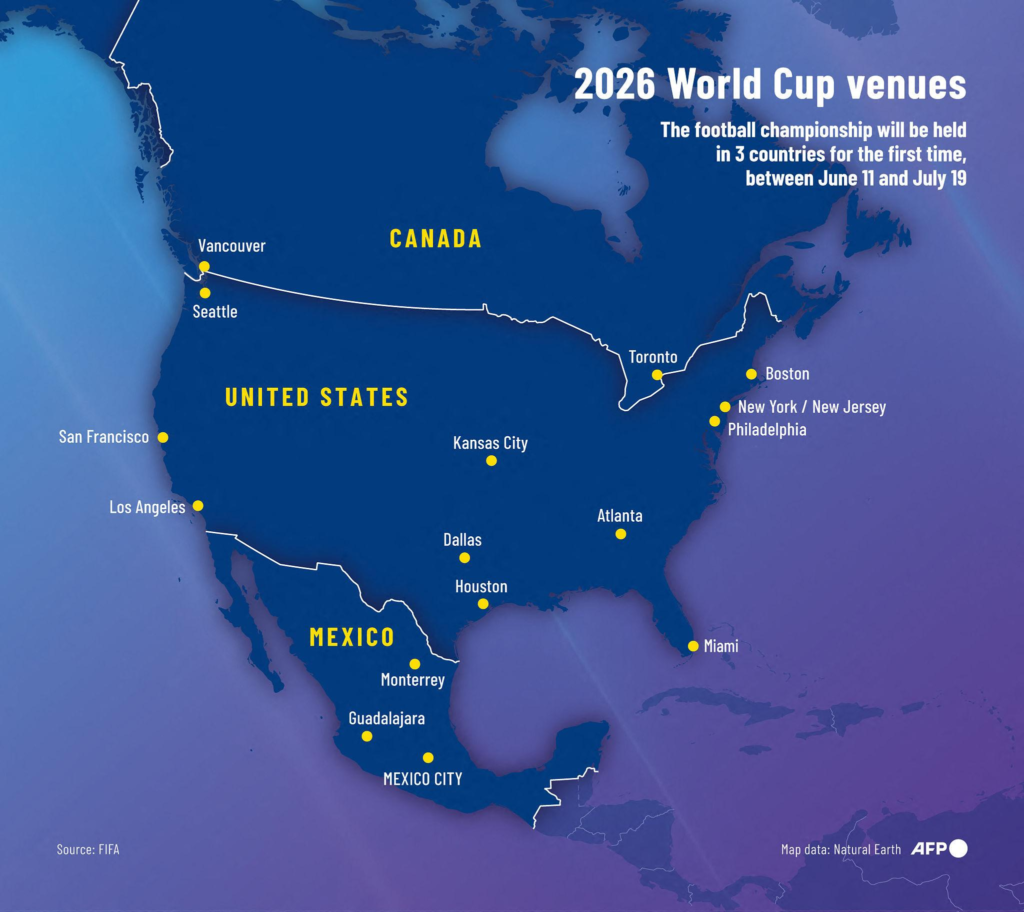
For the first time ever, the tournament will be jointly hosted by three countries:
- United States
- Canada
- Mexico
This tri-nation hosting model reflects FIFA’s ambition to expand football’s reach and infrastructure across North America.
Expanded Format
The 2026 World Cup will feature 48 teams, up from the traditional 32. This expansion allows more nations—especially from Africa, Asia, and the Americas—to participate on football’s biggest stage.
Venues & Stadiums
Matches will be played across major cities, including:
- New York/New Jersey (MetLife Stadium)
- Los Angeles (SoFi Stadium)
- Mexico City (Estadio Azteca)
- Toronto and Vancouver in Canada
The iconic Estadio Azteca will become the first stadium to host matches in three different World Cups (1970, 1986, and 2026).
African Representation
With more slots allocated to Africa, countries like Nigeria have a stronger chance of qualification, raising hopes among fans eager to see the Super Eagles return to the global stage.
Economic & Cultural Impact
The 2026 tournament is expected to:
- Generate billions in revenue
- Boost tourism across host cities
- Create thousands of jobs
- Further globalize football culture
Looking Ahead
The FIFA World Cup continues to evolve, reflecting changes in global sport, technology, and culture. As anticipation builds for 2026, the tournament promises to be the biggest and most inclusive edition yet.
From its humble beginnings in 1930 to a 48-team global spectacle, the World Cup remains the ultimate celebration of football—where history is made, legends are born, and the world comes together every four years.
Over time, the World Cup has expanded significantly. What began as a small competition now includes 32 teams (as of 2022), with rigorous qualification processes involving over 200 national teams worldwide.
Key developments include:
- Expansion of teams: Increasing competitiveness and global representation
- Technological advancements: Introduction of VAR (Video Assistant Referee)
- Commercial growth: Massive sponsorships, broadcasting deals, and global branding
- Cultural influence: The tournament shapes fashion, music, and national identity
The World Cup is more than football—it is a cultural phenomenon that influences economies, tourism, and international relations.
The FIFA World Cup is the most prestigious tournament in global football, organized by FIFA (Fédération Internationale de Football Association). First held in 1930 in Uruguay, the competition has grown into the world’s most-watched sporting event, uniting billions of fans across continents.
The inaugural tournament featured just 13 teams, with Uruguay emerging as the first champions. Over the decades, the World Cup has showcased legendary players such as Pelé, Diego Maradona, and Lionel Messi—figures who have defined eras of football excellence.
Brazil remains the most successful nation in the tournament’s history with five titles, followed by Germany and Italy. The competition has also been a platform for iconic moments—from Maradona’s “Hand of God” in 1986 to France’s triumph on home soil in 1998 and Argentina’s dramatic victory in 2022.


