
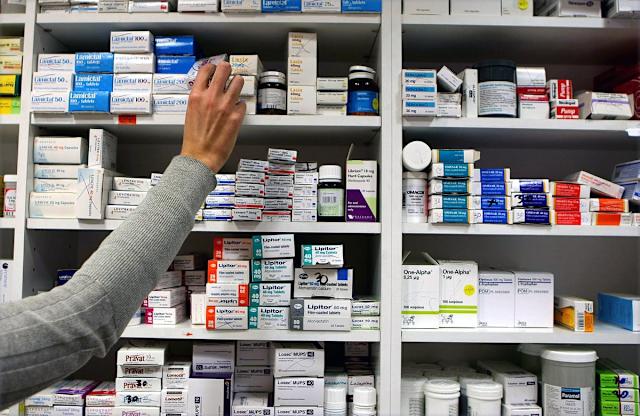
The UK’s National Health Service (NHS) could begin to experience shortages of widely used prescription medications, including those containing paracetamol and aspirin, as early as June if disruptions linked to the Middle East conflict persist, industry leaders have cautioned.
According to Medicines UK, which represents manufacturers responsible for about 85% of NHS prescriptions, supply chains are coming under increasing pressure due to the ongoing blockade of the Strait of Hormuz. The group expressed growing concern over the limited availability of essential chemicals used in drug production, with some manufacturers reportedly receiving only a small portion of their usual supplies.
This strain is already affecting both the cost and availability of medicines, raising concerns that patients may soon face delays in accessing prescriptions. Drugs most at risk include stronger painkillers like co-codamol, certain antibiotics, and medications used to prevent strokes—many of which depend on petrochemical derivatives impacted by the disruption.
While widespread shortages have not yet occurred, Medicines UK warned that the situation could deteriorate rapidly if instability continues.
The issue is part of broader economic fallout from the Middle East conflict, which has disrupted global shipping routes, increased fuel prices, and driven up transportation costs. The Strait of Hormuz, a crucial route for global oil and gas exports, has seen a significant decline in traffic, further impacting industries reliant on petrochemicals.
Experts note that modern pharmaceutical supply chains are highly interconnected, meaning disruptions in shipping or raw material supply can have widespread effects. The reliance on “just-in-time” systems, which limit stockpiling, has made the sector especially vulnerable to sudden shocks.
Meanwhile, officials from the Department of Health and Social Care say they are closely monitoring developments, emphasizing that most medicines remain available. They also noted that contingency plans, including reserve stocks and alternative sourcing, are in place to help safeguard patient access.
However, health leaders warn that if the conflict drags on, mounting pressure on supply chains, manufacturing, and logistics could lead to more serious shortages, potentially affecting both routine treatments and critical care drugs.