
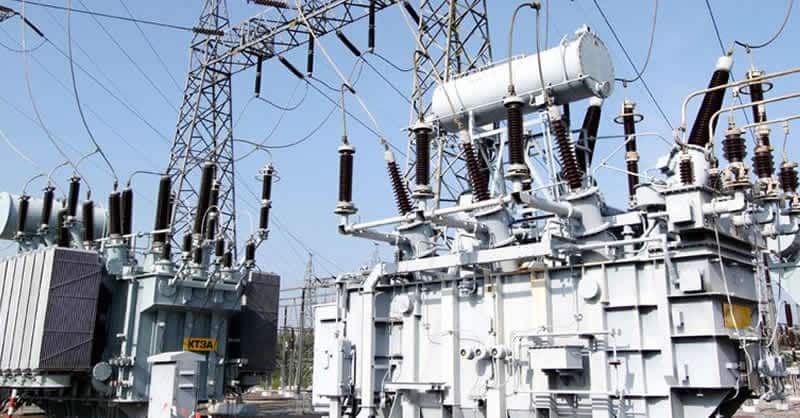
The Nigerian Electricity Regulatory Commission (NERC) has introduced new regulations aimed at cutting electricity transmission losses and improving transparency across Nigeria’s national grid.
The Commission stated that the directive, issued as Order No. NERC/2026/026, establishes a more robust system for tracking and reporting Regional Transmission Loss Factors across the country’s transmission network.
According to data from the Nigerian Independent System Operator (NISO), the national average transmission loss dropped from 8.71% in 2024 to 7.24% in 2025. However, this still exceeds the 7% benchmark set under the Multi-Year Tariff Order.
NERC said the new framework is designed to bridge this gap and boost overall efficiency in the electricity market. The directive, dated April 8, 2026, took effect from April 13, 2026, in line with provisions of the Electricity Act 2023, which empowers the Commission to enforce accountability and efficiency in the sector.
As part of the new requirements, NISO must install smart meters at all regional interconnection points by December 2026 to ensure accurate measurement of energy flows. It is also expected to monitor and document energy flow at transmission substations and submit quarterly reports on transmission losses.
Additionally, NISO is required to present a comprehensive action plan by July 2026 aimed at reducing losses to approved limits, with a target of keeping transmission losses below 6.5% nationwide by December 2026.
NERC explained that the objective of the order is to improve monitoring, ensure transparency, and enhance efficiency in managing transmission losses, noting that accurate data is key to better grid performance and fair electricity pricing.
Alongside this, the Commission also unveiled the Mini-Grid Regulations 2026 (NERC-R-001-2026), which provide a structured framework for the development, operation, and regulation of mini-grid systems across Nigeria.
The new policy is designed to expand electricity access, particularly in underserved and unserved communities, while ensuring safety, fair pricing, and investor protection. It also strengthens collaboration among mini-grid developers, distribution companies, and host communities.
Under the regulations, isolated mini-grids operating independently can have capacities of up to 5MW, while interconnected mini-grids linked to distribution networks can operate up to 10MW.
Mini-grids below 100KW are required to register with the Commission, while those above that threshold must obtain permits.
NERC also announced a 30-day processing window for eligible mini-grid permits and introduced stricter reporting obligations. Operators of mini-grids below 1MW are to submit annual reports, while those above 1MW must file quarterly reports.
The Commission noted that it will maintain continuous oversight and may publish industry data to enhance transparency and accountability.
According to NERC, these reforms are part of broader efforts to strengthen Nigeria’s electricity sector, improve infrastructure management, and drive sustainable energy development nationwide.